


Live updates: Texas abortion law ruling - CNN International
How overturning Roe v. Wade could impact women seeking abortions in Texas and other states
A Supreme Court decision that overturned Roe v. Wade could bring abortion bans to as many as half the states in the country already poised to prohibit the procedure. Such a move would also have knock-on effects on the primarily blue states that would maintain access to abortion.
A Roe v. Wade reversal — and the flood of abortion restrictions such a ruling would usher in — stands to affect the distance women would have to travel to their nearest clinic, according to a new report released this week by the Guttmacher Institute. The institute, which favors abortion rights, used data from the US Census Bureau to estimate the number of women of reproductive age living in each Census block and calculated the driving distance to the closest abortion clinic.
Illinois, North Carolina and California are among the states that could see the biggest jump in out-of-state abortion patients, as their clinics would be closest for women whose own states are positioned to quickly ban the procedure, according to Guttmacher's analysis.
In states like Louisiana, Texas and Idaho, women would see the distance they'd have to travel to the nearest clinic increase by tenfold or more, if Roe v. Wade was reversed and abortion bans went into effect in the states most likely to implement them.
The Supreme Court ruled Friday that the Texas' six-week abortion ban, which prohibits abortion after fetal cardiac activity, could remain in place. The justices, however, said that abortion providers had the right to challenge the law in federal court.
The law appears to run afoul of the constitutional protections for pre-viability abortions — a point usually around 23 weeks into the pregnancy — that the Supreme Court enshrined in its 1973 Roe decision.
The Texas law has already given a preview of what abortion access would like if other states were allowed to implement extreme limits on the procedure or outright bans. Clinics in Oklahoma and Kansas have reported major surges in Texas patients, prompting delays for residents in their own states to get appointments, while Texas women have traveled as far as Colorado and California to obtain the procedure, according to court filings in the case.
During oral arguments in November, justices limited their review to the law's novel structure, which bars state officials from enforcing it. Instead, private citizens — from anywhere in the country — can bring civil suits against anyone who assists a pregnant person seeking an abortion in violation of the law. Critics say the law was crafted to shield it from challenges in federal courts and stymie attempts by abortion providers and the government to sue the state and block implementation.
How we got to today's Supreme Court ruling
On Sept. 1, the Supreme Court, in a 5-4 vote, allowed the Texas law to go into effect while the appeals process played out with Chief Justice John Roberts siding with the liberals in a dissent. Since then, women in Texas have scrambled across state borders to obtain the procedure, and poor women — without the means to travel — were left with few options.
Lawyers fighting the law called it blatantly unconstitutional and designed with the express intent to make challenges in federal court nearly impossible, therefore nullifying a woman's constitutional right to an abortion.
"Texas designed SB 8 to thwart the supremacy of federal law in open defiance of our constitutional structure," said Solicitor General Elizabeth Prelogar, arguing for the Justice Department, during oral arguments on Nov. 1. "States are free to ask this court to reconsider its constitutional precedents, but they are not free to place themselves above this court, nullify the court's decisions in their borders and block the judicial review necessary to vindicate federal rights."
SB 8, the law in question, bars abortions after the detection of a fetal heartbeat at around six weeks — often before a woman knows she is pregnant — and is in stark contrast to Roe v. Wade, the 1973 landmark decision legalizing abortion nationwide prior to viability, which can occur at around 24 weeks of pregnancy.
While both the providers and the Biden administration had won challenges in federal district court, the conservative 5th US Circuit Court of Appeals reversed those decisions and allowed the law to remain in effect.
The law's novel structure, which bars state officials from enforcing it, is a central part of the litigation.
What happened today: The Supreme Court left in place Friday a Texas abortion law that bars the procedure after the first six weeks of pregnancy, but the justices said that abortion providers have the right to challenge the law in federal court.
The court's action means that the case will return to a district court for further proceedings, but it may still be difficult for providers to open their doors again.
The Supreme Court decision makes it difficult for abortion providers to stop future civil lawsuits
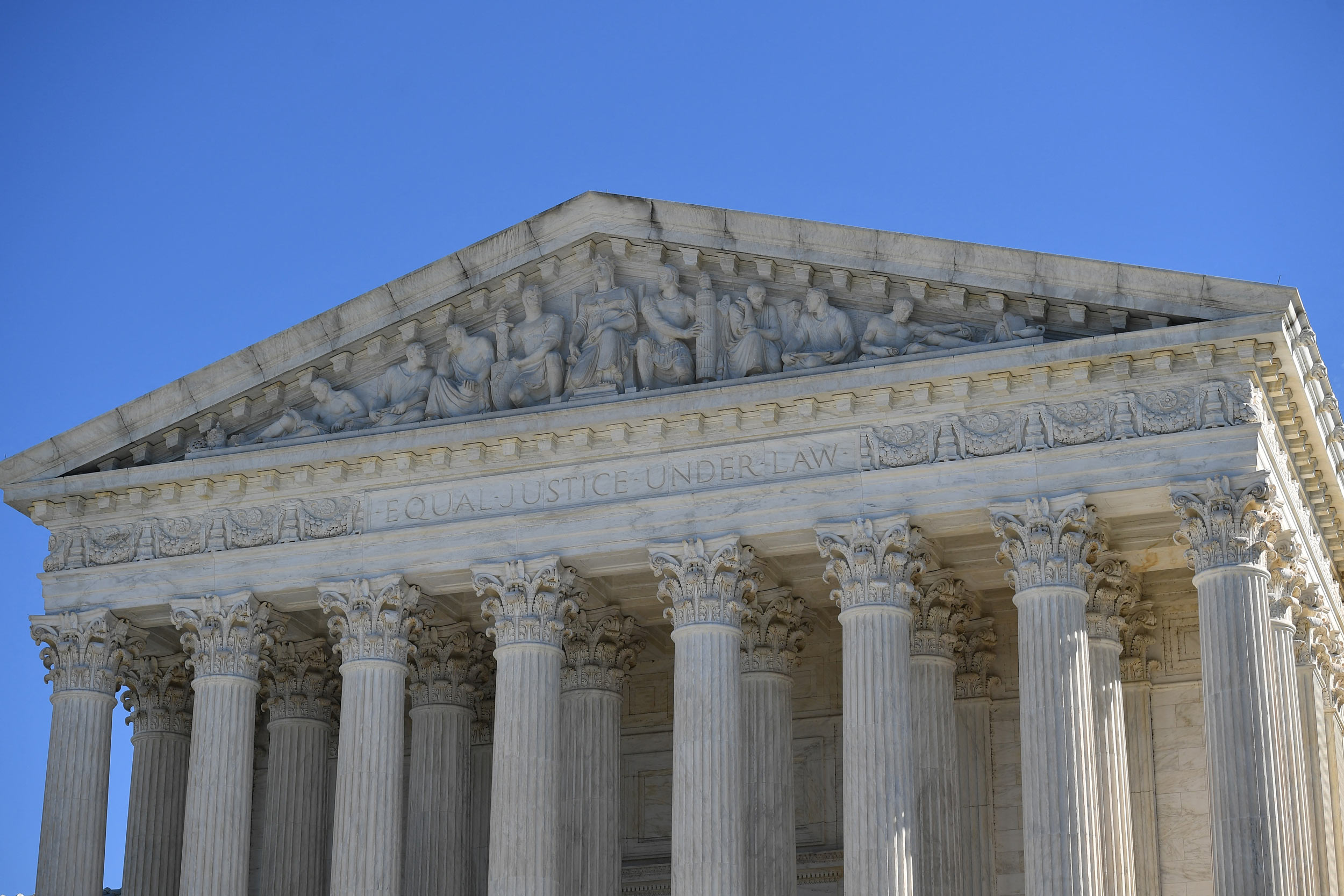
The Supreme Court decision makes it difficult for abortion providers in Texas to prevent future civil lawsuits against them for performing abortions. Under the state law, any private citizen across the country can sue individuals thought to have assisted in violating the state’s so-called heartbeat ban.
“The providers won in the sense that their challenge to S.B.8 is allowed to go forward against these state licensing officials, but more importantly, they lost in the sense that they can’t sue anyone else — so that even if their suit succeeds, it’s unlikely to provide them with the relief they need to reopen their doors, that is, to prevent future lawsuits against them for performing abortions,” said Steve Vladeck, CNN Supreme Court analyst and professor at the University of Texas School of Law.
By a vote of 8-1, the court allowed the providers’ challenge to move forward against some state officials, but they divided 5-4 on whether other officials could be sued.
Justice Neil Gorsuch said that the court had agreed to hear the case to see if certain abortion providers could challenge the law. “We conclude that such an action is permissible against some of the named defendants but not others,” Gorsuch wrote.
Justice Sonia Sotomayor, writing for her liberal colleagues, said the court should have gone much further and blocked the law from going into effect when it had the chance back in September while the appeals process played out.
Sotomayor said it was a good thing that the challengers would be able to go into court to challenge the law and that she hoped that a district court would “act expeditiously” to enter the relief.
But, she said, because the court limited which officials could be sued, it will make the legal challenges more difficult to bring, which in turn, could make it more difficult for the providers to open their doors again.
source: https://edition.cnn.com/politics/live-news/supreme-court-texas-abortion-law/h_3680b260f7281eaf861f4a0e7cbbca50
Your content is great. However, if any of the content contained herein violates any rights of yours, including those of copyright, please contact us immediately by e-mail at media[@]kissrpr.com.