


New anti-protest laws cast a long shadow on First Amendment rights – Center for Public Integrity - Center for Public Integrity
Tiffany Crutcher was worried.
Oklahoma lawmakers had passed a new measure stiffening penalties for protesters who block roadways and granting immunity to drivers who unintentionally hit them. The state NAACP, saying the law was passed in response to racial justice demonstrations and could chill the exercising of First Amendment rights, filed a federal lawsuit challenging portions of it. But the new law was only weeks from taking effect.
Crutcher, an advocate for police reform and racial justice, was moderating a virtual town hall about it, featuring panelists who brought the lawsuit. At the end, she asked a question that went directly to the stakes.
Under the new law, “is it safe for the citizens of Oklahoma to go and do a protest?”
The three men on the panel were silent.
Five seconds ticked by.
Crutcher asked again.
“Would you all advise against it, the way the law is written, or should we continue, knowing that it’s our constitutional right to speak out, to assemble?” And, her voice anxious, she continued to press.
“Are you all confident that we’ll be able to, kind of, walk free from those penalties that may be imposed?”
It fell to Anthony Ashton, the NAACP’s director of affirmative litigation, to respond: “If we thought there was no chance of prosecution, if we thought there was no chance nothing bad would happen, we wouldn’t be filing this lawsuit.”
That palpable sense that something bad will happen isn’t confined to Oklahoma. Far from it. The law worrying Crutcher is just one of dozens of statutes restricting the right to protest that have been enacted around the country since 2017, and many more are pending.
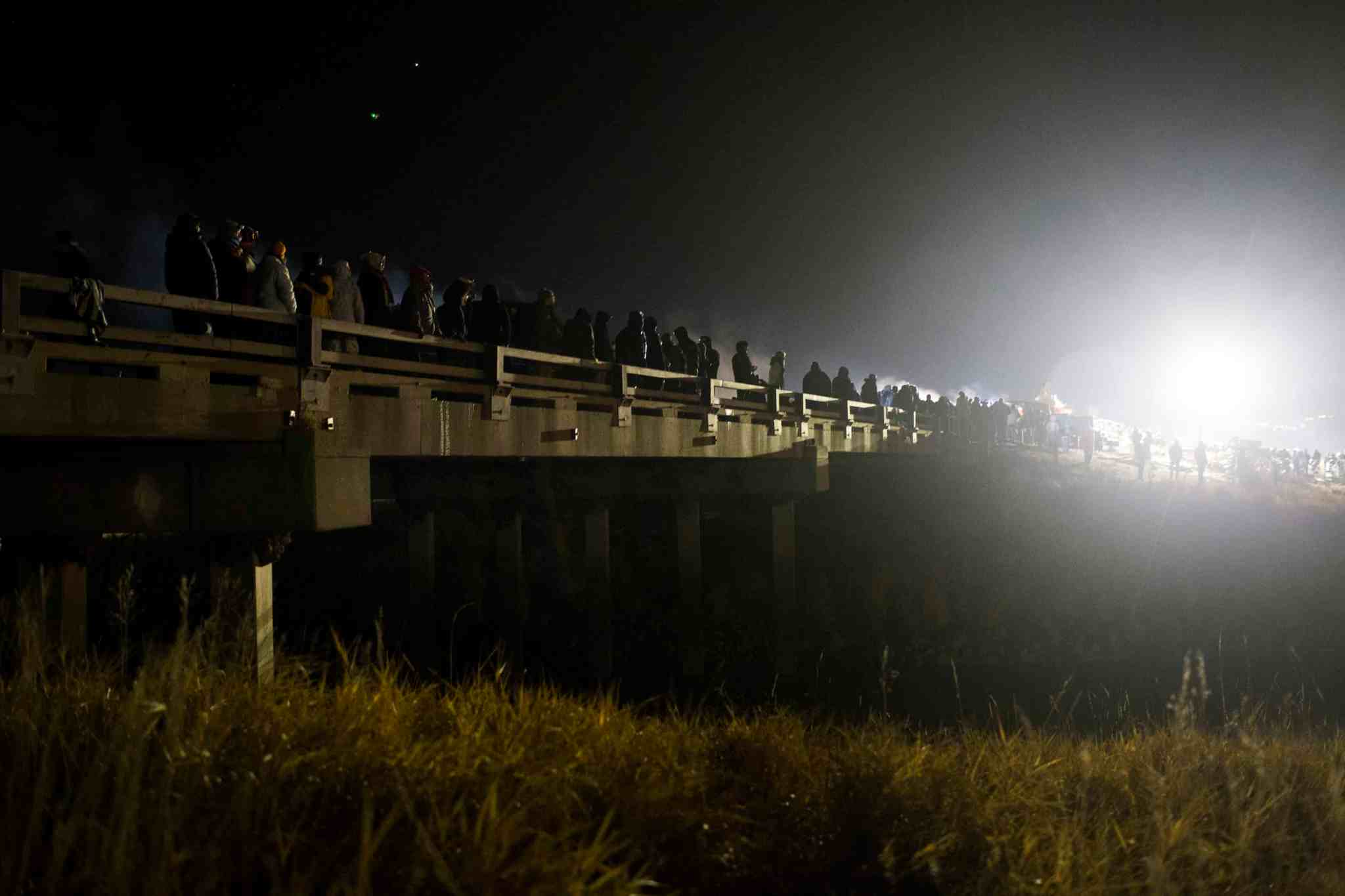
This year saw the highest number yet of such bills, according to the International Center for Not-for-Profit Law, which tracks them. ICNL says such bills are often introduced in response to prominent protest movements, such as protests against pipelines or the racial justice protests around the country since the murder of George Floyd.
Nearly all the protests since Floyd’s death in states that have passed new laws have been nonviolent, according to research by the Armed Conflict Location and Event Data Project, a nonprofit that tracks political violence. But that hasn’t stemmed the growing legal backlash.
A Center for Public Integrity review of hundreds of pages of documents and court filings, as well as interviews with advocates, lawyers and First Amendment experts, found the new laws are casting a long shadow. Even as demonstrations for environmental justice and against discrimination, racial injustice and police brutality help propel those issues to the fore of public debate, experts say the push for new statutes carrying harsh sanctions could taint the public’s perception of protests as an important tool for change.
“Every such bill is an argument that we should see protest through the lens of criminality or potential criminality, as opposed to viewing protest through the lens of our First Amendment,” said James Tager, research director at PEN America, a nonprofit that has released two reports on the surge in anti-protest laws.
The threat of severe penalties and fears of exposing supporters to serious consequences weigh on advocates such as Crutcher. In some cases advocates say the laws are prompting them to lean more heavily on alternatives, such as door-knocking or social media campaigns, and divert resources into educating people about the new laws and training them to comply.
But, Crutcher said, “There is no progress without protest.”
source: https://publicintegrity.org/politics/new-anti-protest-laws-cast-a-long-shadow-on-first-amendment-rights/
Your content is great. However, if any of the content contained herein violates any rights of yours, including those of copyright, please contact us immediately by e-mail at media[@]kissrpr.com.