


New York Law to Turn Vacant Hotels Into Homeless Housing Is Failing - Bloomberg
The state set aside $100 million for New York City conversions, but lawmakers haven’t removed regulatory hurdles for developers.
A state law designed to help developers convert vacant New York City hotels into housing for homeless people has so far gone nowhere, and the $100 million set aside for the program is unspent.
New York state officials say two nonprofits have expressed interest, but haven’t filed formal applications. The developers say their efforts have been hamstrung because the law, enacted last year, didn’t ease zoning and building code rules, making projects too costly and time-consuming.
The program is designed to help nonprofit developers that don’t have vast reservoirs of capital behind them, but these entities can only buy hotels after cobbling together funding. They’re losing out in bidding wars to for-profit real estate firms with ready access to funds, who are turning some of these buildings into apartments.
Time may be running out to fix the law. Prices for hotel properties are increasing as tourists return to New York, potentially leaving fewer opportunities for nonprofit developers. About 115 of the city’s hotels, accounting for less than 10% of available rooms, are closed now, compared with more than 200 a year ago, according to the city’s hotel association. And interest rates and inflation are rising, making borrowing costs, labor and materials more expensive.
“We have this desperate need for low-income and affordable and supportive housing,” said Brenda Rosen, chief executive officer of Breaking Ground, a nonprofit that develops housing with social services for the homeless. “And we haven’t been able to move these deals forward.”
Fixing It
Politicians say they are trying to fix the law’s shortcomings. The $100 million allocated for the program will carry over to next year. Governor Kathy Hochul’s budget proposal included a change to state law to allow hotels to be converted to affordable housing in or near residential zones without changing the building’s use, as long as the units are subject to rent stabilization laws.
The two chambers of the state legislature are looking to boost the money available to help fund conversions to $250 million total, while making it available for transactions statewide. They plan to figure out policy measures to ease converting hotels into housing for the homeless after they pass the latest budget, scheduled for April 1.
“It’s a very important piece that we hope to complete after the budget,” said Steven Cymbrowitz, Assembly housing committee chair.
While the hotel conversion program stalls, the city’s homelessness crisis is acute. About 45,000 people live in shelters and hundreds more, some struggling with drug abuse or mental illness, live on the streets and subways. Business groups have expressed concerns that homelessness could impede the city’s recovery by hurting tourism and quality of life in Midtown Manhattan.
That backdrop gave rise to the Housing Our Neighbors with Dignity Act passed last year, which sought to boost available housing in the city while also helping the ailing hotel industry. The law created a financing mechanism to buy and convert distressed hotels.
But the law didn’t provide something just as important: a way to speed conversions for properties under city and state regulations. Changing a property’s certificate of occupancy to residential use is time-consuming and triggers building code requirements that are costly or impossible to comply with, said Breaking Ground’s Rosen.
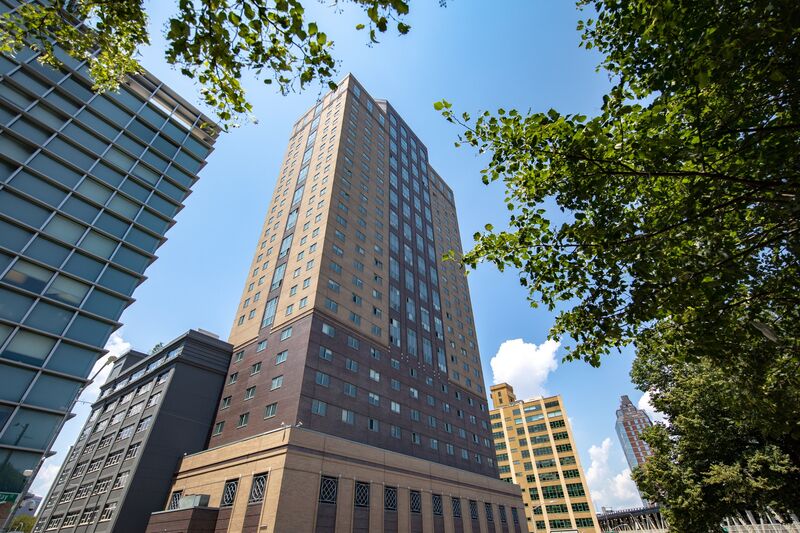
After acquiring a former Jehovah’s Witnesses hotel in Brooklyn’s Dumbo neighborhood in 2018, Breaking Ground had to spend more than a year going through the city’s land-use-review process, Rosen said. The project will create about 500 units, including 300 for the formerly homeless and is expected to open in late spring.
The HONDA Act also required that every room have a bathroom and kitchen or kitchenette, even though about 80% of the city’s 120,550 hotel rooms are in Manhattan and most are too small to accommodate even a small cooking area. Adding kitchens and complying with other building code requirements for residential buildings would require expensive renovations.
Too Late?
And even if nonprofits could find hotels that didn’t need zoning changes, $100 million won’t go very far when private developers are better prepared to outbid them.
“The big barrier is going to be the acquisition costs,” said Charles King, chief executive officer of Housing Works, a New York City nonprofit aiming to end homelessness and AIDS. Hotels “might be on the market because folk don’t see the hotel industry coming back for awhile and are feeling pressure to sell, but you know, they’re not looking to sell it a loss.”
New York City’s travel industry has begun to revive, even if a full recovery might take years. About 60% of the city’s hotel rooms were occupied the week ending March 12, including rooms in both open and closed properties, up 30 percentage points from the same week last year, according to hospitality data company STR.
New York is not only in danger of missing the market for distressed hotels, but rising interest rates are raising the cost of buying properties, and the fastest inflation in 40 years is increasing costs for labor and supplies, said Rachel Fee, executive director of the New York Housing Conference.
“If we have to wait for the city to change its zoning code, its building code to make these conversions feasible, there’s not going to be anything to convert,” Fee said.
source: https://www.bloomberg.com/news/articles/2022-03-28/ny-law-to-turn-hotels-into-affordable-housing-is-failing
Your content is great. However, if any of the content contained herein violates any rights of yours, including those of copyright, please contact us immediately by e-mail at media[@]kissrpr.com.