


Table of Experts: Women in Law - Minneapolis / St. Paul Business Journal - The Business Journals
The Minneapolis/St. Paul Business Journal held a panel discussion recently on the topic of women in law. Panelists included Heidi Bassett, a partner at Hellmuth & Johnson; Nicole Hittner, a partner at Taft Stettinius & Hollister; Heather Kliebenstein, a partner at Merchant & Gould; Megan Rogers, an attorney at Larkin Hoffman Daly & Lindgren Ltd.; and Lisa Spencer, president and shareholder at Henson Efron. Jennifer Thompson, president of the Minnesota State Bar Association, served as moderator.
Jennifer Thompson: One topic on all of our minds is the pandemic and its impact on the profession. Lisa, how do you think work/life balance has been affected for women in the return to the office?
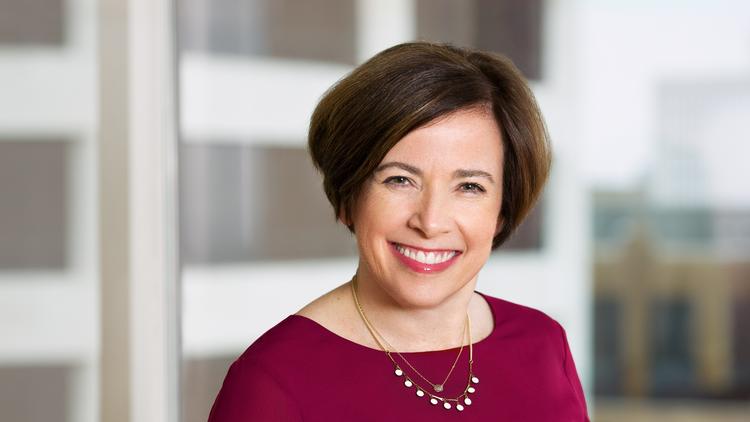
Lisa Spencer: I think badly. Our work life encroached on our home life. We are working longer hours, we can’t get away from the phone, we hear our computer dinging at the dinner table, so I think it’s been horrible, not for everybody, but for a many of us. And there’s a kind of inertia with coming back to the office: I’ve gotta get up, shower, get dressed, drive, and I don’t want to do it. But once you get over it, I’ve noticed that people are glad to be back in the office, to see each other, to interact.
Thompson: The pandemic took a toll on women: Domestic violence increased, women shouldered the lion’s share of domestic responsibilities, and social isolation took a toll on our mental health and physical health. Heidi, what strategies have helped you persevere through these unprecedented times?
Heidi Bassett: In general, I found that self-awareness helped me persevere the most. While the world felt out of control, I turned to what I could control. I embraced work as a form of self-care. I also learned to stop apologizing for who I am as a lawyer and litigator. As women, we don’t have a one-size-fits-all solution. Self-care and work/life balance look very different to all of us. It’s important, in a pandemic situation or otherwise, to be self-aware and recognize what’s going to make you feel safe and secure, and it’s okay to do things that are the right fit even if they aren’t for other women.
Thompson: Megan, article after article has described the disproportionate impact on women who have been forced into that teaching, caregiving role during the pandemic. How have you seen that play out?
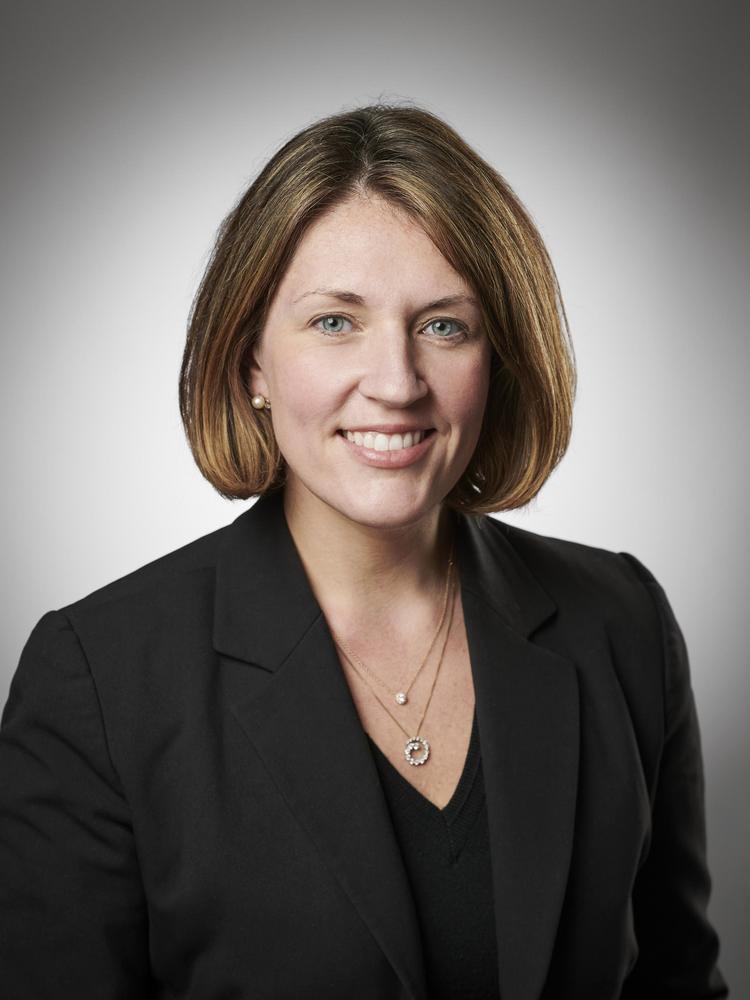
Megan Rogers: It goes back to that idea of expectations, and reasonable expectations given the circumstances. Working from home provides flexibility for women in particular that was frowned upon in the past. There has to be this balance between the roles that women take when they’re investing in their families and the way they’re investing in their clients and their employers. The pandemic has taught us, sometimes despite our best efforts, there are new circumstances and new challenges, and we need to adapt to them rather than just sticking to the way things have been done in the past.
Thompson: I wonder if that’s been everyone’s experience, in terms of the amount of grace and understanding that you feel like is being expended in our profession. Is that a common thread?
Spencer: I feel like we stopped extending grace to each other, and we need to do that now more than ever. I like to think we did that internally at our firm. But we need to focus now on extending grace to each other and be more understanding. I think it’s so important to our own well-being.
Bassett: I think we have a long way to go in that regard. Most of my staff would prefer to work in the office. They would rather not be at home working all the time, running around and picking up kids on different schedules. These are the people who support us every day, and they need our grace as much as to the attorneys in our offices. That’s going to create a greater sense of loyalty within our firms. It shows we care not just about the professional, but also about the person outside the office.
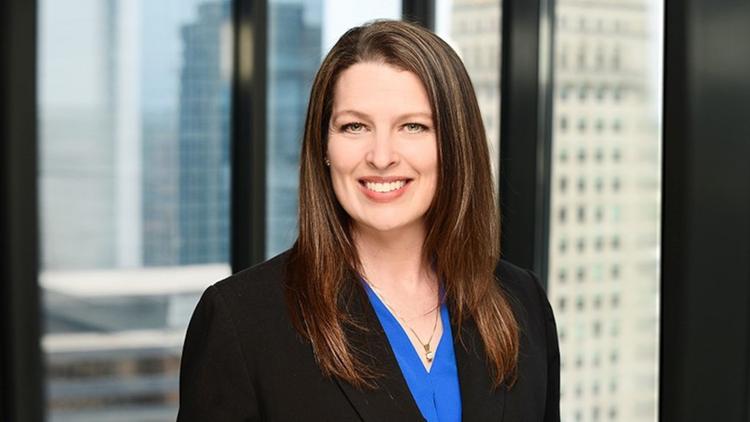
Nicole Hittner: I think [the pandemic] has been an eye-opening exercise for people who were very ingrained, through no fault of their own but due to their own professional experience, in the thought that you are only working if you are at the office. Though we’ve all been able to effectively work in a remote environment for years, any remaining concept that people only work at their desk has been shattered, which is great. That said, complete remote work makes ongoing and informal collaboration much more challenging. In our profession, we can’t lose that mentorship and ongoing discussion and still be learning and growing in the same way. Being able to informally connect on ideas is much easier in a casual, in-person setting than having to set up a conference call, and I believe more junior attorneys may have missed some real development opportunities over the past two years. It’s an ongoing balance that we are all navigating between showing grace and flexibility and being able to train and mentor newer attorneys and collaborate with our peers.
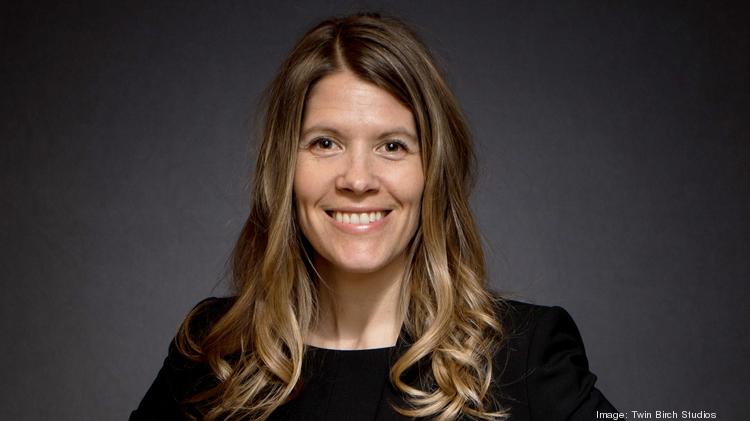
Heather Kliebenstein: What I’m concerned about, and I don’t have an answer, are the impacts we don’t see. I just got done with a performance review with a younger associate, and she’s a rock star. She said, “I’m new. I don’t want to bug partners for my questions. Who should I ask?” It dawned on me that the associates aren’t right next door to each other like they were when I was an associate. That’s really unfortunate. You’re missing a point of connection and collaboration, and I don’t know how that’s going to affect this group of lawyers in five to 10 years’ time, or how that’s going to affect private practice. I think we all need to remember to have grace for those attorneys as they’re moving up through partnership.
Rogers: That is absolutely one of the things that we have to be thinking about. It is so much more daunting for associates to give someone a phone call or set up a Zoom or try to make a meeting, rather than knocking on a partner’s door. If you’re sitting isolated and not just asking the person down the hall who’s dealt with this issue before, are you getting the best results for your client?
Thompson: Nicole and Heather in particular, how have you seen the pandemic change the ways in which we foster those connections?
Hittner: For me, it was an exercise in creativity. I needed to find a way to virtually recreate the connection that is automatic in person. While I tried several creative ways to use Zoom meetings, I realized quickly that people were burned out on that format, and I shifted my focus back to simple human connections and one-on-one relationships with my clients. When you don’t have the automatic lunch or happy hour options, it has to be something more personal. Picking up the phone and reaching out, or sending a gift tailored to a specific relationship or person can go a long way. I’ve been fortunate over the past two years to be able to forge even deeper connections with clients and colleagues and many real friendships.
Kliebenstein: The single most effective thing I did with my current clients and the folks who work on my teams, whenever I had a call with them, I would end it with, “How are you?” I got into some very deep conversations with clients in ways I had never expected, so those relationships got deeper. An odd thing happened with my out-of-town and European foreign relationships. Zoom was a great tool to get to know some of those people better, and see their faces more than I ever would have. I have counsel in Europe I work with, we talk every week and I get to see their faces and it’s almost like I’m in Barcelona! I can’t imagine what client development will be like for our baby attorneys. The best advice I can give to young associates starting out in private practice now is, “Work hard. Be curious. Show an interest.” Your partners are your clients to start with, so get to know them, outside, whatever context you’re comfortable in. What we’ve seen a lot of here at Merchant is that people are going over to each other’s houses for drinks and dinner. Over the summer there were several partners who invited their whole team over. Being from Minnesota, that’s an unusual thing to get invited to someone’s house you work with. That effort created deeper connections. Keep track of your law school classmates in whatever way is comfortable and organic that works. I think this is an area where I’m particularly concerned. What are we going to see from these associates in five years? Are they going to leave private practice in droves because they haven’t created those meaningful connections? Are we going to emerge with some sort of different private practice that is more casual and informal and full of grace and understanding? The more we can forward this conversation in our own firms, we can make a difference at a microcosmic level at least.
Spencer: When I mentor women, I tell them, “Don’t second-guess yourself, and don’t devalue your worth. Don’t think you don’t bring something really awesome to the table. Think that you bring something awesome, and then prove it!” Secondly, get involved in whatever interests you — whether it’s an organization or a committee in the firm, get involved at the ground level, learn what it’s about, and then move up in leadership. At the beginning of the pandemic, another colleague and I decided to do a Zoom group for young lawyers. We met once a month, and we had great, confidential conversations. We’ve been doing it for almost two years, so we said, “Okay, baby birds, it’s time to launch you from the nest.” They’re like, “No, can we keep doing it?” That was gratifying, that they wanted to stay in contact because they appreciated the opportunity to spend time with seasoned woman attorneys having confidential discussions about our practices. I hate Zoom, but that was really powerful and rewarding.
Thompson: Megan, what kind of things is Larkin doing to encourage and develop women in the practice of law?
Rogers: Larkin has this one-on-one mentoring program between partners and new associates. To have that person to ask is essential, because otherwise, especially when you don’t run into people in the hallway, it can be overwhelming. There’s a lot of encouragement to get out there and make new connections with other lawyers in your practice area. I’ve encouraged people to take a risk on things like LinkedIn. I have built new relationships over the course of the pandemic by saying, “This is someone in my field. This is someone who has an interesting background. I’m just going to take a risk and reach out to them.” It’s nerve-wracking, but with the change in culture over the past two years, I think it’s opened us up to be a little less structured about who we can connect with.
Thompson: Heidi, women still leave the profession at high numbers. What do you think law firms or the profession in general should do to improve the advancement of women in the practice of law at a faster pace?
Bassett: More needs to be done on an institutional level to demonstrate to women in the profession that they will have the same opportunities that are offered to men. Probably the easiest way to do that is through transparency, and clear expectations. If a firm has certain criteria required to make partner — for example, mentoring younger associates, significant outcomes in your work, size of book of business — any of those metrics that can be measured should be transparent. There are always going to be exceptions, but where promotion to the partnership level is wholly discretionary, there is more risk that it’s going to appear inequitable. We just have to be more transparent. I suspect we would see more women advancing, but we also would see fewer women leaving.
Rogers: When you match transparency with accountability, you end up getting good results and changes in culture. One of the expectations of our mid-level attorneys and partners is, when you are working with an associate, you are not just sending them work but ensuring that they’re getting client-facing opportunities and being connected to your professional networks. It’s critical that it’s not just women reaching out to other women, but also that male partners do the same thing.
Hittner: I agree that transparency is key. It guards against even the appearance that promotions or pay differentials are gender based. With an open, transparent system of communication, like at Taft, it is easy to trust but verify with respect to leadership decisions. We also have a large number of women who have made it to the top who others can go to for guidance on their career path. Our participation (compensation) committee is 50% women and our executive committee is 53% women. Female representation in our C-suite is nearly 85%. The transparency and the gender diversity at Taft were elements that really drew me in, and we’ve found that those elements are also extremely effective with respect to retention.
Kliebenstein: My two criteria for effecting change at the top really haven’t changed throughout the pandemic: sponsorship at a microlevel, and the intentionality around a critical mass. With that second topic, a critical mass, I’m a firm believer that once you get one woman, one person of color, into a leadership role, then everybody else in the law firm looks at that and says, “I could do that, too.” We try to create that critical mass at the top over time. Regarding sponsorship, I believe sponsorship on an individual, personal basis is the No. 1 most helpful way to get attorneys who are diverse from A to B into the partnership. I agree that transparency in the partnership criteria is really important, but we’ve struggled with this at Merchant. Do we want bright, clear metrics or is it better to help us create a more diverse firm when we have less clear metrics? Maybe there’s a woman who hasn’t met the same billable goal as her male counterparts, but she’s bringing it in other ways that they’re not. How do we create a “squishy” category that can lead that woman to being a shareholder? Now, that has worked in the past against diversity, but if it’s done with the goal of using this approach to effect diversity, it can have a different outcome. We’ve coupled that with sponsorship. When we have a diverse attorney walk through the door, we look at them and say, “Who’s taking charge? Who is going to take that attorney into their book of business, and mentor them and get them from A to B?”
Spencer: Transparency is really important, but there has to be a different metric that is that “squishy” category, and we have to be constantly on that category and promoting it, because it gets so easily lost in the numbers if we don’t pay attention to it. It’s also really important when we have a diverse young lawyer coming up that we mentor them, but we don’t coddle them. You learn how to be a really good lawyer when you take some knocks and learn from your mistakes. You’re going to take a knock, and I might give you a knock, but it’s because I care about you and I want you to learn and be the best lawyer you can be.
Bassett: What if you could have both the numbers-based metrics and also the “squishy” category metric? The most recent report on the state of the legal market, from the Thomson Reuters Institute and Georgetown, looked at turnover rates and found that compensation does not produce loyalty. It’s the intangibles that have become so important for all young lawyers, but especially for women. Loyalty to a firm increases with opportunities for advancement. Associates are asking different questions: Am I getting a chance to prove myself? Are cases assigned equitably? Am I being mentored and/or sponsored? All of these things, while they can’t be measured by numbers, they can be communicated in the way we treat our newer colleagues.
Thompson: I’m sure you all have experienced [moments] that you weren’t treated the same way as your male counterparts.
Hittner: On the whole, I’ve been very fortunate throughout my career and haven’t felt as if I was treated differently than my male counterparts. Of course, there were a couple of times when opposing counsel started down that path and in both cases other men stepped in on my behalf, but I’m prepared to stand up for myself and let my performance speak for itself. Frankly, obvious gender bias is more of a reflection on the speaker than it is on me. I’ve always told younger female attorneys: As long as you believe you have every right to be at the table, you’ll be treated that way 99 times out of 100.
Rogers: Sometimes it can be a benefit to your client. I’m underestimated a fair amount of the time. Like when opposing counsel feels the need to explain the law to me. That’s great, because I just got a clear lens into their argument! Often, especially in real estate, we’re meeting the needs of a more male-dominated industry, so it can be more challenging for us to get in front of decision makers. That is starting to change with more women earning leadership roles in this industry. But it’s even more important to have mentors and sponsors who are willing to make those introductions and vouch for you, and then your work speaks for itself.
Bassett: I think litigation is unfortunately still lagging quite a bit in this area. I don’t break the rules in my practice, but I will use every tool available within the law to advocate for my clients. Still, very frequently, by doing that I am accused of being overzealous, overaggressive, overly litigious, I’ve been called a barracuda, the other B word. But I don’t feel the need to address it or overcome it, because it’s not my problem. When I was a very young litigator, I was frequently called “honey” and “dear” and “young lady,” and spoken to in a way that should never be tolerable, but by addressing the men who said those things, I was not going to change them. Instead, I was going to change things by beating them in court. So now I take it as a compliment, ignore it, move on and resolve to beat them.
Kliebenstein: If they’re making those comments to you, you’re just getting under their skin. One of my old mentors used to tell me, “The more they’re thinking about you, Heather, the less they’re thinking about the case.” That has become so self-evident over the years, and I know, if things are happening that are gender-based, I must be winning. I’ve also found over the years that in intellectual property litigation, we’re tipping the scales with women. I think out of all my active cases, only one has a lead male trial lawyer. I have five active cases with women who are leading on the other side. It’s a different ball game. There’s less bravado and posturing; it’s more about the merits and getting there and winning on the merits, which oftentimes can be more challenging. When you’re focusing on bravado and who can pound the table the hardest, it’s a little easier to win. So we should watch what we wish for!
Thompson: What can our firms, our male colleagues do better to understand the needs of women so our firms and the profession can really capitalize on those contributions that we bring to the practice?
Bassett: Just talk with us, not at us. Engage in active listening.
Kliebenstein: I would re-frame the question: How can we make law firms better for all people? Private practice has always had a people problem. We routinely lose people. Especially now during the Great Resignation, I think we need to spend more time getting to know people, and like Heidi mentioned, getting to know what makes them tick, what they’re looking for. And not just women, but everybody in the firm from the lawyers to the support staff, so you can create a better, more cohesive environment.
Spencer: We talked earlier about people coming and going and how are we going to mentor young people and bring them up. I think our clients are going to figure it out. Nicole, you were talking about how you were in-house counsel for many clients. Well, what about that person who comes up behind you and isn’t getting the same training you had because we aren’t always together anymore? Don’t we risk our clients saying, “Hey, that’s going to be my future in-house counsel. I want you to be training her today.” I think our profession is going to take a really interesting turn, potentially client-driven, after this pandemic, and it is in part what we do for training our people, all of us, not just women.
Rogers: There was an article in The Wall Street Journal recently that talked about individualized job descriptions and the bridge between ensuring fairness, meeting an employee’s needs, and meeting the employer needs. It suggested that this new economy calls for managers to meet people where there are and the opportunity for that to create efficiencies and strong employee culture. To Heather’s point — meeting people where they are provides a tremendous opportunity for firms to address the “people problem.” And I believe solving that problem will ultimately lead to better service for our clients.
source: https://www.bizjournals.com/twincities/news/2022/04/01/table-of-experts-women-in-law.html
Your content is great. However, if any of the content contained herein violates any rights of yours, including those of copyright, please contact us immediately by e-mail at media[@]kissrpr.com.